Are Your Beautiful Denver Trees Damaging Your Sewer Lines?
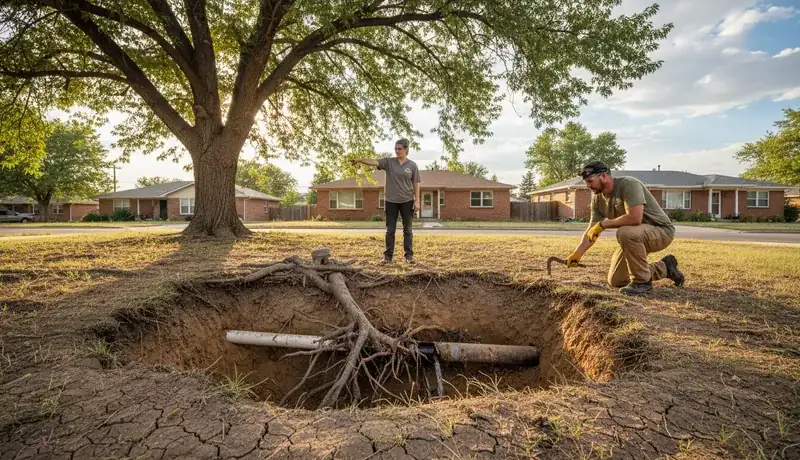
The beautiful, mature trees lining the streets of Southwest Denver are a huge part of our community's charm. In neighborhoods across Denver, CO 80236, these trees provide shade and character. But beneath the surface, a hidden battle might be taking place. The same root systems that support these majestic trees are naturally drawn to the water and nutrients inside your underground pipes. This can lead to unexpected plumbing problems for homeowners who aren't aware of the potential risk.
Understanding how tree roots interact with your sewer lines is crucial for protecting your property. A small root intrusion can quickly escalate into a major blockage, causing slow drains, unpleasant odors, and even sewage backups inside your home. By learning to spot the early warning signs, you can prevent costly damage and avoid a stressful plumbing emergency. This knowledge empowers you to take proactive steps to keep your pipes flowing freely and your home safe and healthy.
How Tree Roots Find and Invade Your Pipes
Tree roots are naturally programmed to seek out water, and your sewer line is a prime target. Older pipes, especially those made of clay or cast iron common in established Denver homes, can develop tiny cracks or have loose joints over time. These small openings release water vapor and nutrients into the surrounding soil, acting like a beacon for nearby roots. A single, hair-like root can slip inside and, once it finds this rich environment, it begins to grow rapidly. As a result, it creates a dense web of roots that catches waste and toilet paper, eventually forming a stubborn clog. The constant pressure from the growing roots can also widen the cracks, leading to a complete pipe collapse if left untreated. This slow, silent invasion is a leading cause of sewer line problems.
Signs of Root Intrusion and What You Can Do
Catching a root problem early can save you a major headache. One of the first signs you might notice is a gurgling sound coming from your toilet after you flush. You may also find that multiple drains in your house are running slowly, not just one. If you start to smell sewage odors in your yard or even inside your home, that’s another big red flag. Sometimes, you can even see the evidence outside: a patch of grass that is unusually green and lush right above your sewer line could indicate a leak that's fertilizing the lawn. While some homeowners consider using chemical root killers, these are often a temporary fix and don't solve the underlying issue of a cracked pipe. The best first step is recognizing these signs and understanding that they point to a deeper problem.
When a Slow Drain Becomes a Plumbing Emergency
A single slow drain might be a simple clog, but when drains throughout your home are slow or you have recurring blockages, the problem is likely in your main sewer line. If you experience sewage backing up into your tubs, showers, or toilets, you are officially in a plumbing emergency. At this point, DIY solutions are not recommended. Using a rented mechanical snake without proper training can easily damage brittle pipes or get stuck, making the problem worse. This is the moment you need professional help. Waiting can lead to extensive water damage and costly cleanup. That’s why having access to reliable emergency plumbing services in Denver, CO 80236 is so important for homeowners dealing with a severe root blockage or a potential pipe break.
Your Local Plumbing Experts in Southwest Denver
At Expert Plumbing Pro, we live and work right here in the community, and we understand the specific plumbing challenges faced by homeowners in Denver, CO 80236. We've seen firsthand how our area's beautiful trees can impact older sewer systems. We use advanced technology, like sewer camera inspections, to accurately diagnose the problem without disruptive digging. This allows us to see the exact location and extent of the root intrusion. Our team will explain the situation clearly and provide you with the best options, whether it's a thorough cleaning with hydro-jetting or a more permanent pipe repair. Our goal is to provide effective, long-lasting solutions that protect your home and property.
Frequently Asked Questions
Can tree roots really break a sewer pipe?
Yes, they absolutely can. While roots start by entering tiny existing cracks, they expand as they grow. This expansion creates immense pressure over time, which can widen cracks, break pipe joints apart, and even cause sections of older, more brittle pipes to collapse completely. It's a slow but powerful process that can lead to significant damage if not addressed by a professional plumber who can assess the situation accurately and recommend the right course of action.
Will I have to remove my tree if its roots are in the sewer line?
Not necessarily. In many cases, professional plumbers can clear the roots from the pipe without harming the tree. Techniques like hydro-jetting use high-pressure water to safely and effectively remove the blockage. For a more permanent solution, we can repair or replace the damaged section of the pipe, often using trenchless methods that don't require major digging. The goal is always to find a solution that saves both your pipes and your beloved tree whenever possible.
Protecting Your Home's Plumbing
Your home's mature trees and plumbing can coexist peacefully with the right awareness and care. Remember to watch for the key warning signs, like gurgling sounds, slow drains, and foul odors, as these can indicate a root problem. Acting quickly can prevent a small issue from turning into a costly emergency. For homeowners in Denver, CO 80236, our team at Expert Plumbing Pro is always ready to help. If you suspect tree roots are causing trouble or you need immediate assistance, give us a call for reliable, expert service.